REVIEW: Supergirl (2026)
Truth, Justice, The American Way.
Truth, Justice, World Peace.
Truth, Justice, Whatever?
A dual-creation of Otto Binder and Al Plastino, it was the 252nd edition of Action Comics that introduced a new superheroine. A heroine who served counterpart to their biological relative from a planet in the universe more technologically advanced than that of earth — one that orbited a red sun before it’s eventual demise.
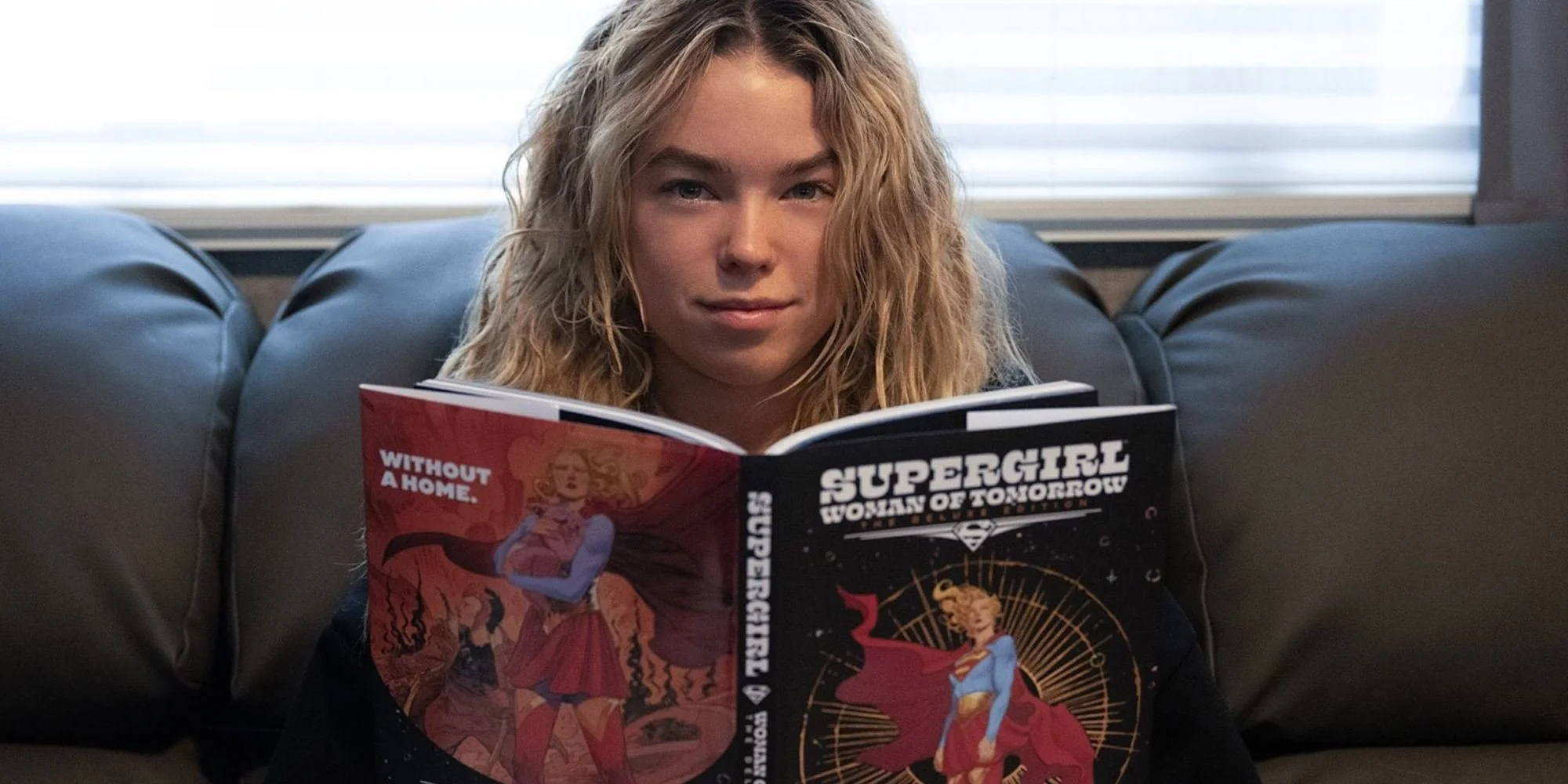
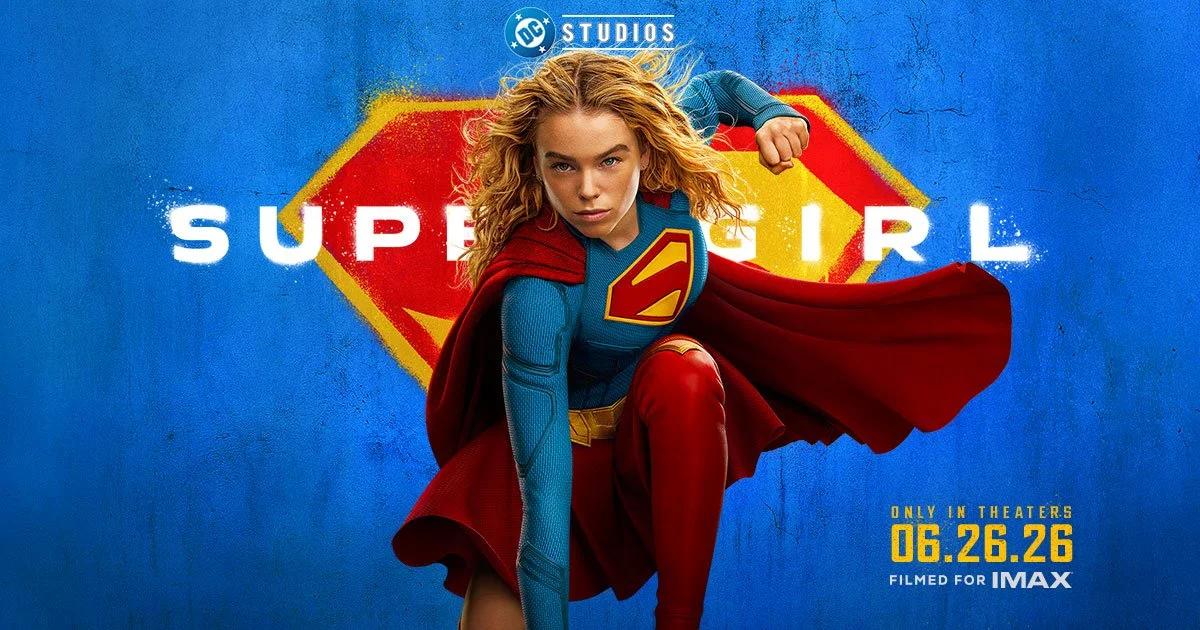
Supergirl
Throughout their 67 year history, Supergirl’s story has been presented, and adapted across a multitude of mediums in what’s known today as the DC Universe. The daughter of Zor-El and Alura In-Ze who escaped to Argo City before being exiled to Earth. Adopting the name Linda Lee, Supergirl would become a regular supporting character within Action Comics — eventually joining the Legion of Super-Heroes. Overtime, the DC omniverse would see the character brought to life through on-screen performances from Helen Slater, Laura Vandervoort, Melissa Benoist, and Sasha Calle.
Today, the second entry in the first chapter of the DC Universe sees Australian actor Milly Alcock in the title-role. In a full-fledged story from Ana Nogueira (their feature film screenwriting debut), it presents James Gunn and Peter Safran (co-CEOs of DC Studios) a prominent platform to reintroduce the Supergirl character to a new generation of audiences — specifically to those unfamiliar with the lore and/or the Arrowverse. Yet composing this review finds the writer pondering a simple question.
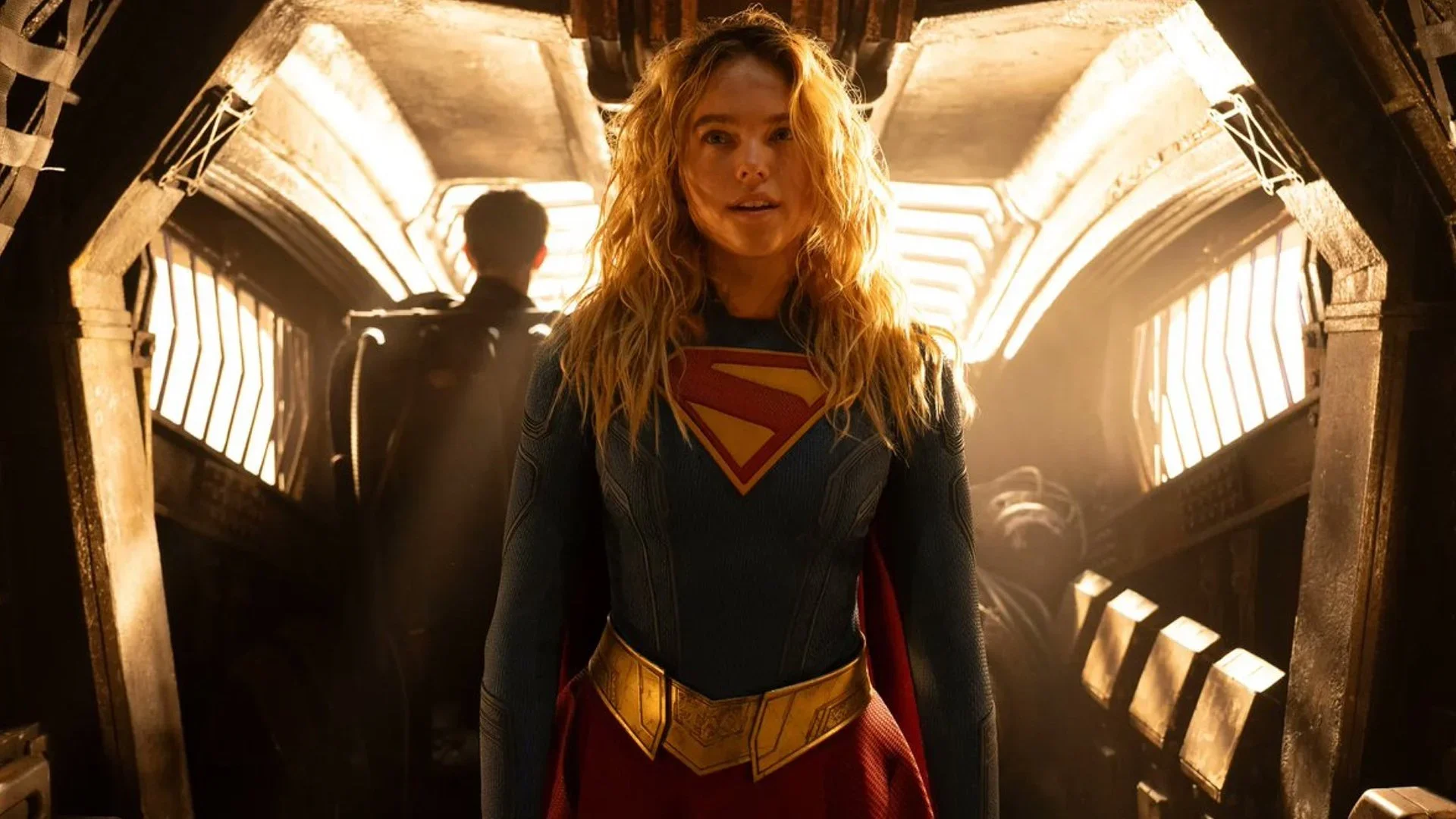
WHAT HAPPENED!?!?!
While entities within the MARVEL Cinematic Universe masterfully present each hero showcase as standalone. Live-Action Feature Films from DC have struggled to captivate viewers on a slow-built and grounded basis — specifically through cemented stability within the realm of pop culture.
Supergirl (2026) was a perfect opportunity to surround this generation of moviegoers with a heroine who could speak to and connect with them on an emotional level. Someone who this generation could turn to in the senses of hope, heritage, and empathy among other emotions. An escape from the outside world while as inspiration of growth and confidence — specifically for adolescent girls as they confidently grow.
Instead, viewers unwelcomingly witness a traumatized adaptation of Kara Zor-El. 23 years old and a borderline alcoholic — complete with a legitimate presentation of bathroom humor. While a dynamic between Alcock’s Kara and the supporting character Ruthye Marye Knoll (portrayed by: Eve Ridley in her motion picture debut) could see an emphasis on a theme of being a champion of oppression — this grungy adaptation looks out of place and takes away from the Supergirl story. Far too grungy for a family audience. Though the MPAA rated Supergirl (2026) PG-13, the subject matter by itself has the potential to be too mature in nature for adolescents.
Opportunity Lost
While a bold risk saw the lion’s share of Nogueira’s screenplay take place off this DC iteration of Earth, it highlighted missed opportunity for further advancement. While it would not be a surprise if Nogueria said they looked to Russell T. Davies for inspiration, what was it about Craig Gillespie that spoke to Gunn and Safran as being the best choice to direct this major motion picture? Not that there’s anything wrong in selecting Gillespie based on his body of work, but why wasn’t a female director selected?
An ideal opportunity to emphasize advancement. The chance for an up and coming female director to hone their contribution(s) to the cinematic craft and bring Supergirl (2026) to life. An emphasis on advancement that have presented opportunity through previous adaptations of the Kryptonian sector of DC’s lore. Look at Deborah Joy LeVine — who brought Lois & Clark: The New Adventures of Superman to light. Dean Cain — a performer of Tanaka lineage who became the first to portray Superman after Christopher Reeve. The aforementioned Sasha Calle — the first performer of Latina decent who was under appreciated by the studio.
It CAN be done!!
It HAS been done!!
Why didn’t Gunn and Safran continue that trend?
It begs a theory. One that sees the second passage of the DC Universe’s Gods and Monsters chapter to be the beginning of a careless downfall. The DC Universe provided an opportunity for past mistakes to be corrected. Something that could stand on its own while being built as a healthy alternative to the MCU. Though we can look back upon polished presentations that brought new light and welcomed adaptations on the Supergirl character, how are we, the general public, supposed to care about a character that ends up being nothing more than a contrivance.
A heroine who welcomes human connection.
A heroine who centers around triumph through welcomed themes of resilience.
A heroine with the ability to emotionally speak to the viewer — as envisioned in Action Comics so long ago.
2.25 on a scale of 5
(Thumbs Down)



Steven Spielberg Returns To Science-Fiction In Disclosure Day!! The Latest Feature Film from Universal Pictures and Amblin Entertainment. Here’s Tommy Hughes with a review.